
When the temperature starts dropping, most of us shift our focus from backyard afternoons to indoor warmth. But your pool? — It still needs attention. Preparing it properly before fall turns into winter helps prevent damage, algae growth, and expensive cleanup when spring returns. One of the most effective pool maintenance tips is to handle the protection phase before the first frost lands, not after it.
Getting your pool ready for colder weather isn’t as complicated as it might seem. It’s about the right pick: choose the right covers, securing them well, and making sure your pool environment is protected from debris, temperature swings, and moisture.
1. Choose the Right Cover for Seasonal Change
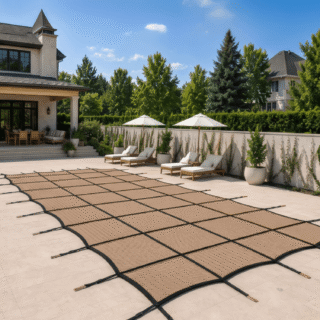
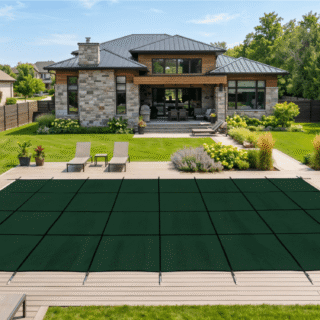
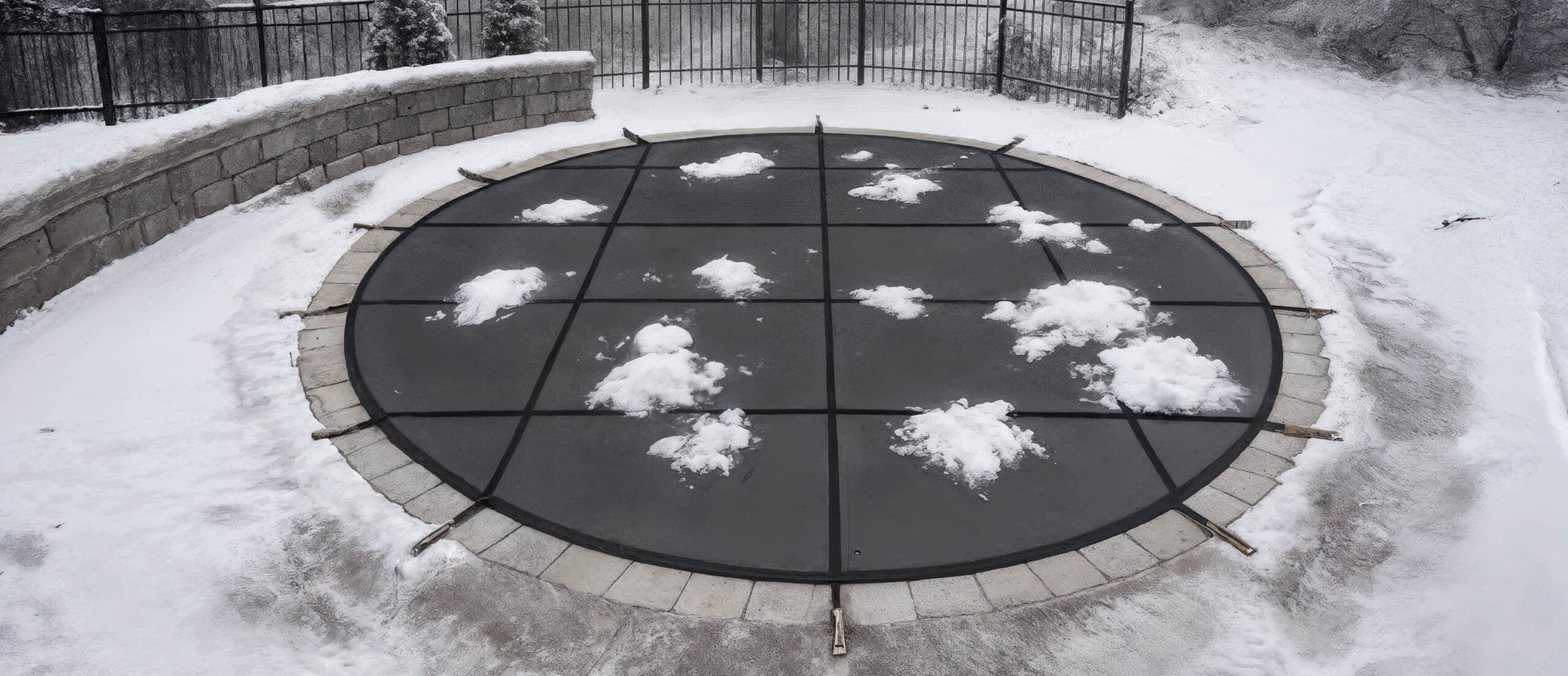
Not all pool covers are created equal. Some are thin and temporary; others are built to handle harsh off-season climates. For areas where fall and early winter bring unpredictable rain, leaf fall, or frost, winter pool covers are your best starting point. They provide coverage from debris and help reduce evaporation — both of which save time and effort when reopening your pool later.
If your pool has custom dimensions or unique shapes, consider investing in a custom pool tarp tailored for a precise fit. The correct fit helps block wind lift, water pockets, and debris buildup — which are the usual culprits of winter pool mess.
2. Strength Matters: Choose Covers That Can Take Weather Seriously
Fall winds, early frost, and the occasional heavy rainstorm can all test how well your pool is covered. This is where high-quality seasonal protection matters.
Selecting frost-proof pool covers adds a layer of defense against temperature drops that can lead to cracks in tiles, liners, or filtration lines. Meanwhile, heavy-duty pool protection ensures your cover material resists ripping, stretching, or sagging even during the worst weekend cold snaps.
Look for:
- Reinforced stitching
- High-tensile fabric strength
- Proper anchoring points
- Weight-bearing durability
These features add years to your pool setup — not just weeks.
3. Keep Out Moisture and Debris — Without Trapping It
Moisture is sneaky. If a cover traps it inside, you’re setting the stage for mold, algae, and unpleasant spring clean-up. That’s why breathable yet water-blocking materials are key.
Go for waterproof pool sheets that allow rainwater to roll off while preventing absorption. Pair them with drainage points or mesh-panels if your climate leans towards rain-heavy fall weather.
If you’re sourcing in cooler regions or across the border, platforms offering pool covers Canada options often include winterized build standards — worth a comparison if your area experiences long cold spells.
4. Proper Fit + Secure Setup = Actual Protection
Even the best pool cover doesn’t work if it isn’t held in place. Sagging and wind-flapping are the fastest ways to damage a cover. Use high-quality fasteners, anchors, or tie-down straps to lock your cover in place before the season gets rough.
For added peace of mind, consider a swimming pool cover that includes multi-point securing along the pool deck rather than just corner anchors.
It stays tighter.
It distributes weight better.
It lasts longer.
5. Think About Surrounding Gear — Not Just the Pool
A pool area has more than just water. To winterize effectively, think of everything connected:
- A safety pool cover ensures no accidental falls or exposure.
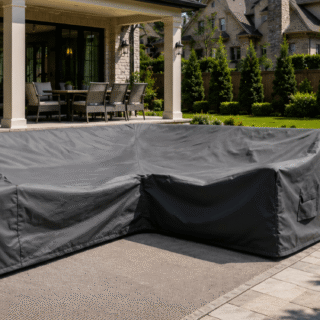
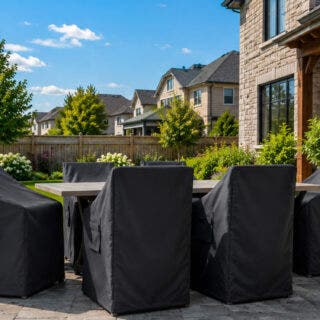
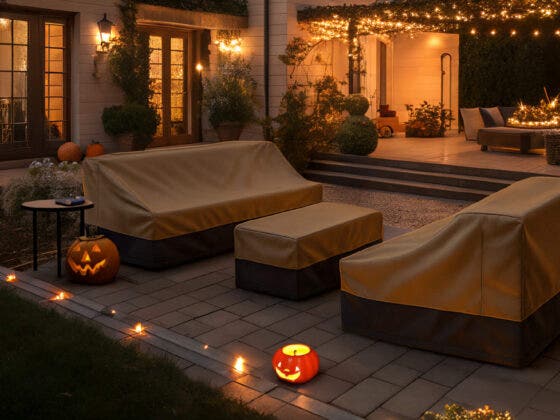
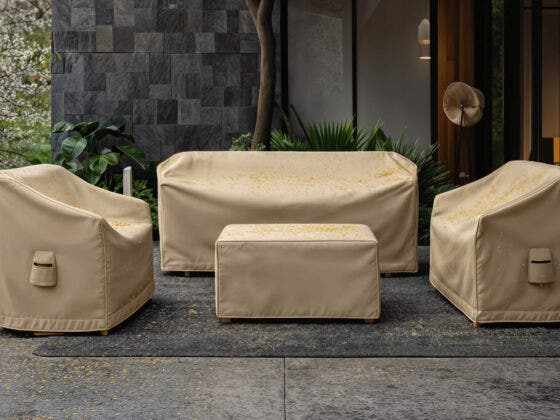
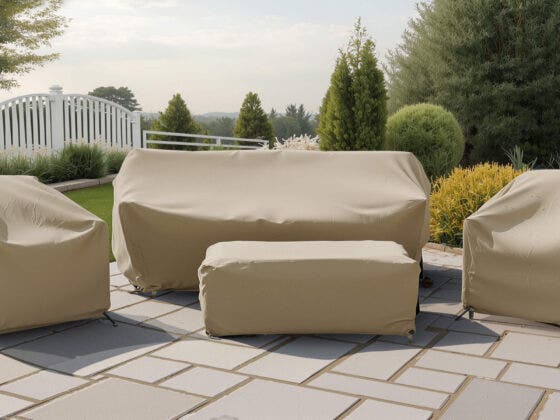
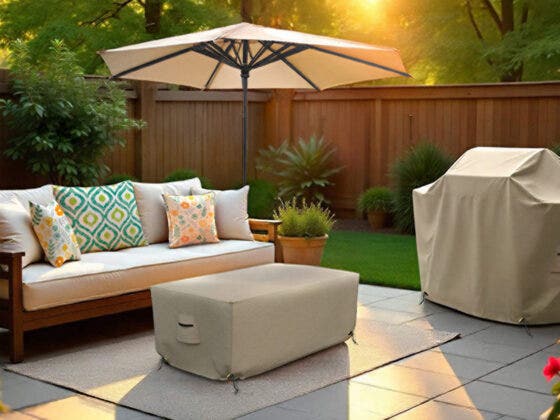
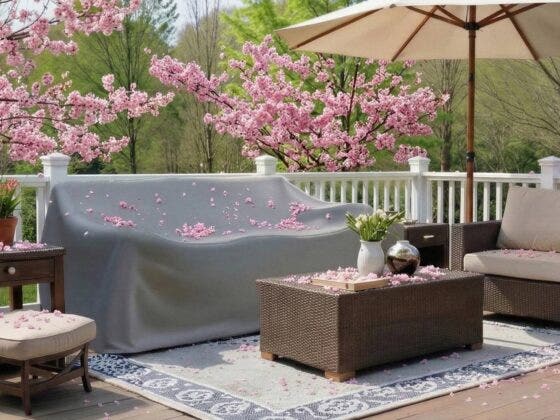
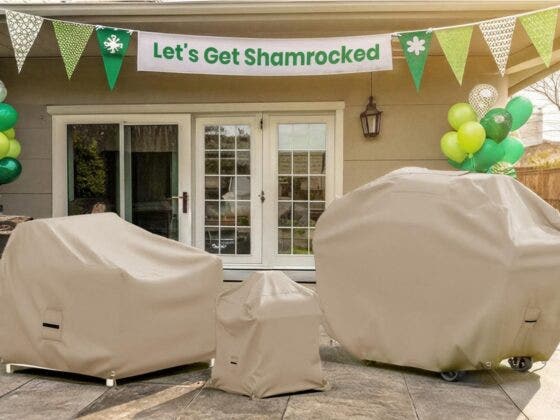
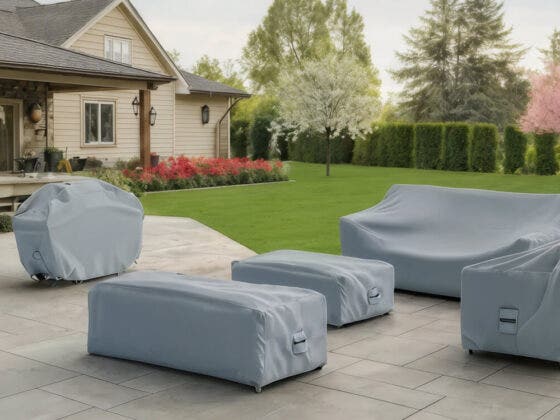
- protect built-in seating, outdoor kitchens, and storage benches nearby.
- Patio covers help shield the deck area from debris.
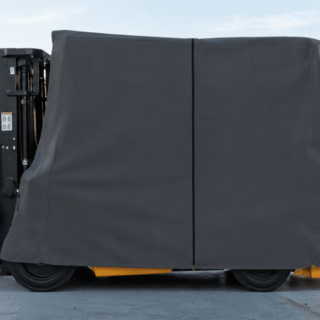
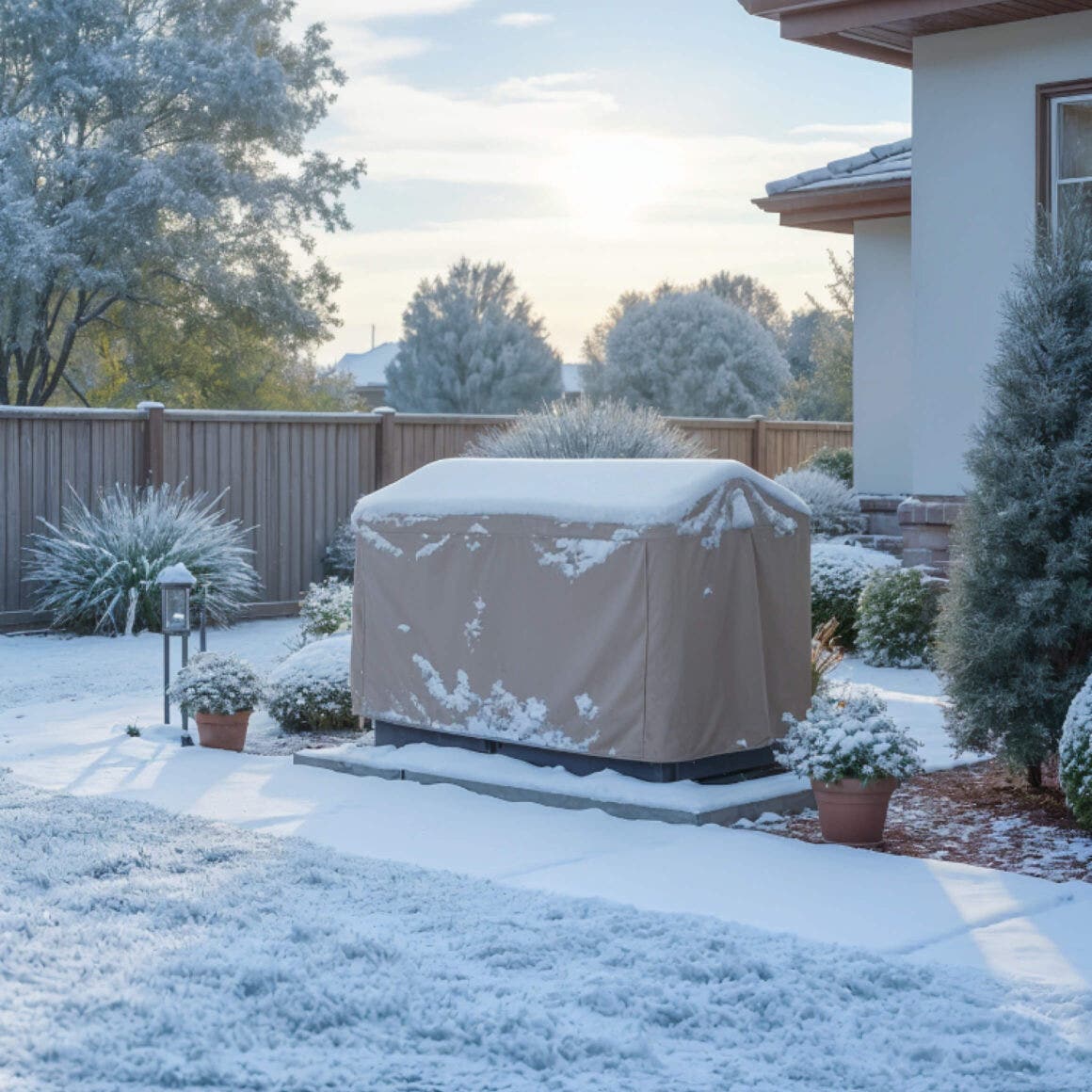
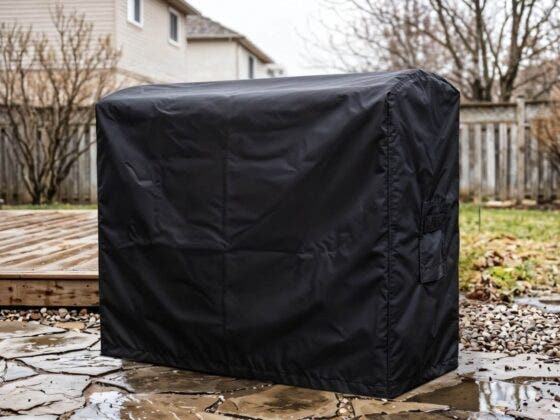
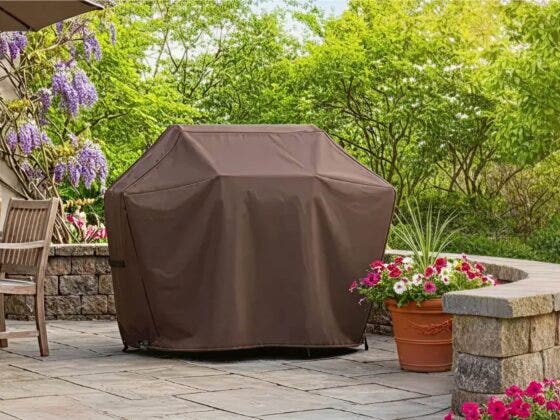
- Heater covers protect external heating units from rust and frost buildup.
The goal is to protect the whole environment, not just the water.
6. The Bottom Line: Preparation Saves You Time (and Money)
Taking the time to prep your pool during fall helps you avoid costly issues later — cracked tiles, stained linings, clogged filters, or algae takeover. Covering it correctly gives you peace of mind all winter long.
Do it once. Do it right. Then forget about it until the warm weather returns.
Final Takeaway
The shift from warm afternoons to chilly evenings is your reminder to secure your pool and the space around it. Choose strong covers, ensure a snug fit, and protect the entire setup — and spring reopening will be nearly effortless.

Recent Comments