



Winter in Canada doesn’t leave quietly. It melts. And that melting phase? That’s where most grill damage actually happens. During the spring thaw, snow turns into pooled water, ice seeps into joints, and moisture sits around far longer than it should. If you’re not paying attention, your grill goes from “stored for winter” to rusted before BBQ season even starts. That’s why proper spring thaw grill care matters more than people think.
Why the Spring Thaw is Hard on Your BBQ
When the snow begins to melt, it doesn’t just disappear. It drains slowly, refreezes overnight, and creates constant dampness around patios and decks. That lingering moisture is the real problem.
Water seeps into seams. It settles around wheels and legs. It collects under covers that aren’t fitted properly. Over time, that leads to corrosion, peeling paint, and weakened burners. Good snow melt protection prevents that cycle from starting in the first place. This is where smart rust prevention BBQ habits come in.
Start with a Heavy Duty BBQ Cover
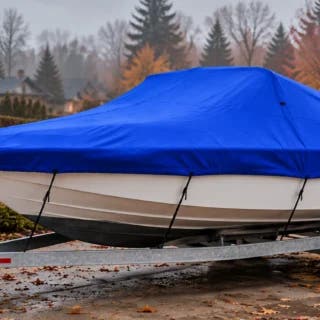
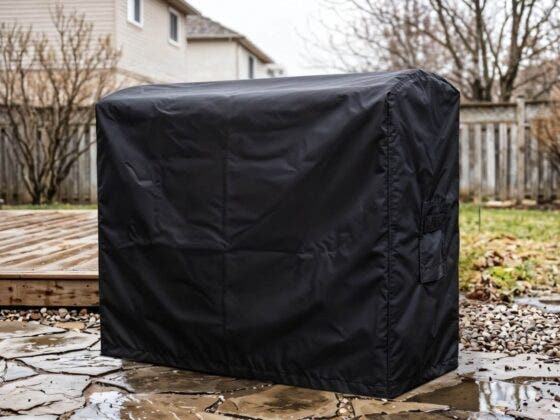
A proper heavy duty BBQ cover is your first line of defence. Not a thin sheet. Not a loose tarp thrown over the top. Something waterproof, durable, and designed to handle Canadian conditions. A reliable BBQ cover Canada homeowners trust should be fully waterproof, not just water-resistant, fit securely to prevent wind lift, allow some airflow to reduce condensation, and stay in place during freeze-thaw cycles.
Spring isn’t gentle. Snow protection covers need to handle moisture, shifting temperatures, and wind without breaking down.
Keep Moisture from Building Underneath
Outdoor cooking protection isn’t just about covering the top. The area underneath your grill matters too. As snow melts, water often pools around patio stones or wooden decking. If your grill sits directly in standing water, rust forms faster — even if the top is covered.
Simple patio grill tips during the thaw:
- Move your grill to slightly elevated ground if possible
- Clear snow away from the base early
- Check for pooled water around wheels and legs
- Wipe down metal parts once surfaces start drying
It sounds basic, but it’s effective patio protection.
Clean Before You Uncover for the Season
When temperatures start rising consistently, don’t just rip the cover off and fire it up. Moisture trapped under winter covers can leave behind grime and early rust spots. A quick inspection makes a big difference. Wipe down exterior surfaces, check burners, and inspect corrosion before cooking. This small step is part of proper spring thaw grill care and helps extend the life of your equipment.
Think Beyond Just the Grill

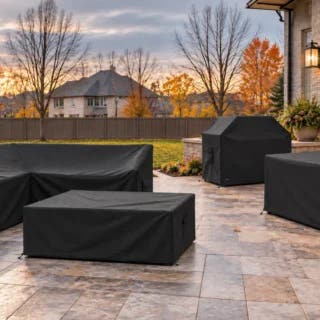
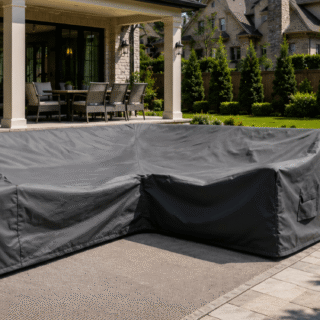
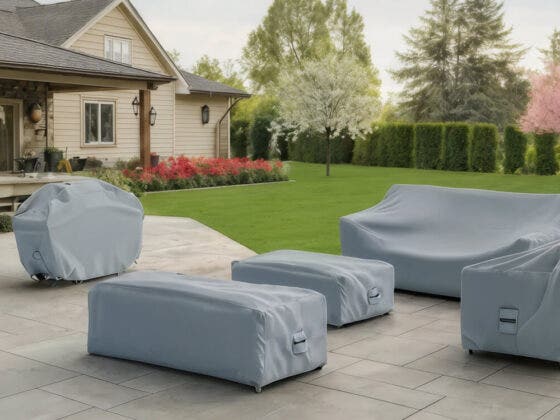
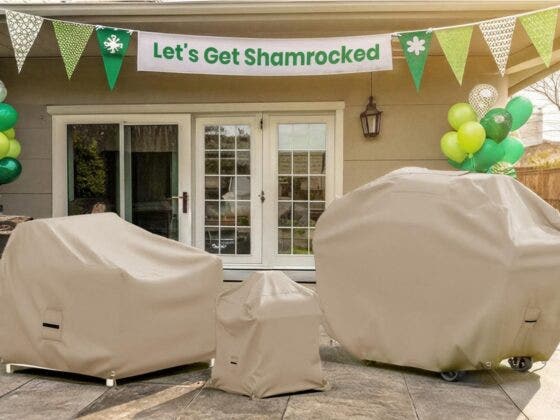
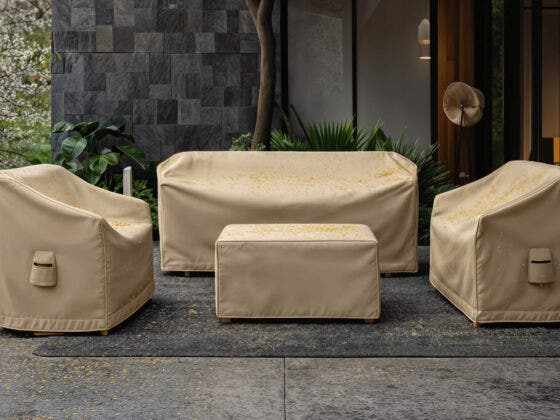
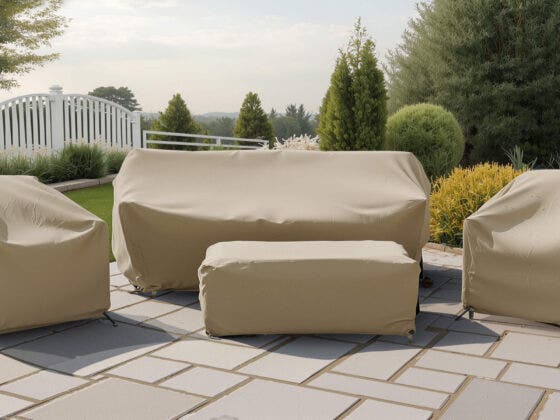
Spring thaw affects everything outside, not just your BBQ. If you’re already protecting one piece of equipment, it makes sense to look at the rest of your setup too. Outdoor furniture covers keep seating dry during melting cycles. Smoker covers protect secondary cooking equipment. A fire pit cover prevents rust from forming in standing water. Outdoor storage covers shield tools and accessories from moisture buildup.
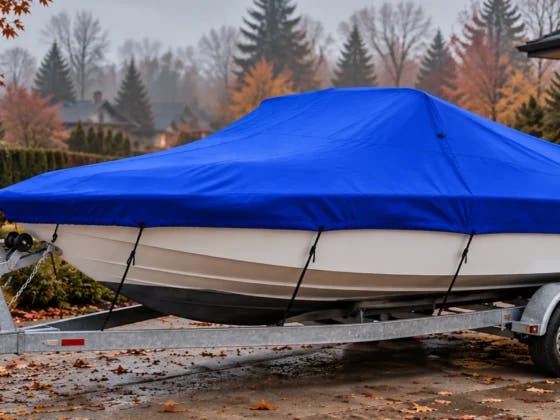
For irregular shapes or unique setups, custom tarps or custom covers can provide a better fit and stronger protection than generic options. Snow melt protection works best when your whole patio is considered, not just the grill.
Don’t Rely on Winter Storage Alone
Many homeowners assume winter protection is enough. But winter snow sitting frozen is different from melting snow sitting wet. The freeze-thaw cycle creates repeated expansion and contraction in materials. That movement, combined with moisture, accelerates damage. Ongoing outdoor cooking protection during early spring is just as important as winter storage.
Final Thoughts
Canada’s spring thaw is tough on outdoor equipment. Snow melts slowly, moisture lingers, and rust forms quietly if you’re not careful. Strong spring thaw grill care, proper snow melt protection, and consistent rust prevention BBQ habits keep your grill ready for the first real warm weekend. Because when patio season finally arrives, the last thing you want is to discover your grill didn’t survive the melt.


Recent Comments