
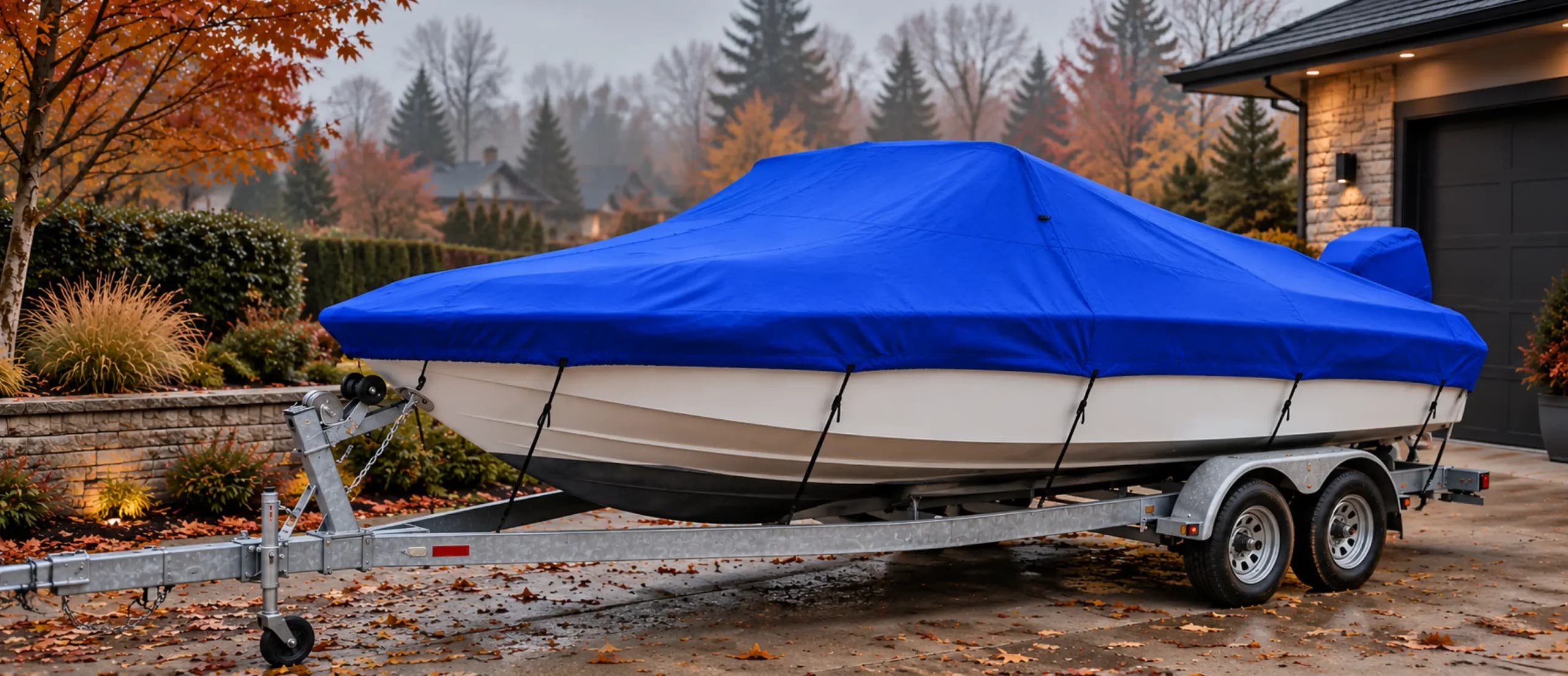
Canadian fall doesn’t ease you in gently. One weekend you’re out on the lake, the next there’s frost on the dock and the forecast’s flirting with snow. Boats left unprepared through this shift take a beating – hulls exposed to freeze-thaw cycles; interiors soaked by cold rain, mildew setting in before you’ve even hauled it out for winter. Knowing how to prepare your boat for fall in Canada properly is the difference between a smooth spring launch and a season of repairs.
Why Fall Is Hard on Boats in Canada
It’s not just the cold — it’s the swing. A 15°C afternoon followed by a below-zero night means water gets into every seam, crack, and fitting, freezes, expands, and does damage that wasn’t there the week before. Add in wet leaves clogging drains and early sleet coating an uncovered deck, and a boat sitting exposed through a Canadian fall is taking on more punishment in a few weeks than it would all summer.
Before You Cover It: The Prep Work
Covering a dirty, wet boat just seals the problem in. Give the hull and deck a proper wash, drain any standing water from the bilge, and make sure the interior’s fully dry before anything goes over it. If you’re not winterizing the engine yourself, this is the point to get that booked in — antifreeze in the system, fuel stabilized, battery disconnected or on a maintainer. None of that matters if a cover then traps moisture against everything you just cleaned.
Getting the Right Cover On
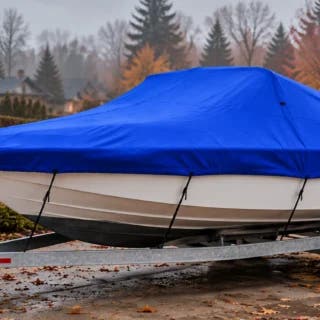
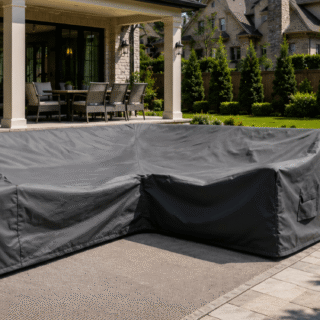
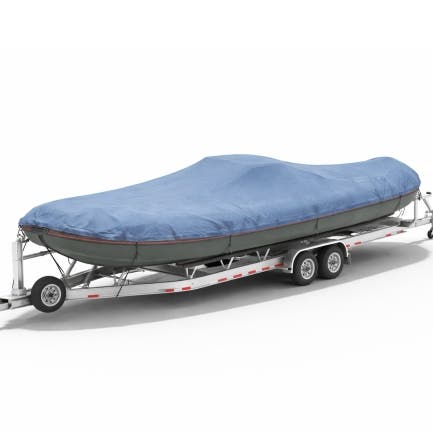
This is where a lot of boat owners cut corners, and it’s costly. A generic tarp shifts in the wind, pools water in the low spots, and rubs against the gelcoat until it wears through. What you actually want is custom boat covers – cut to your boat’s specific shape, not a one-size-fits-most sheet stretched over the top.
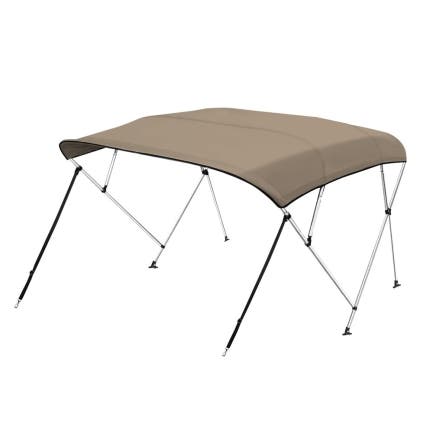
For anything staying outside through the season, a proper boat storage cover needs to handle more than rain – wind, snow load, and UV from those unexpectedly bright fall days all factor in. And if the boat’s sitting on a trailer or lift rather than in a shed, an outdoor boat cover built for direct weather exposure is non-negotiable, not optional.
Not All Boats Cover the Same Way
A deep-hull runabout and a flat-decked pontoon shed water completely differently, which is exactly why fit matters so much. Pontoon Boat Covers need to account for the flat deck and rails, where water can pool if the cover isn’t tensioned right. Jon Boat Covers deal with a different problem – a low, open profile that needs a snug fit to stop wind from getting underneath and flipping the cover entirely. Whatever you’re storing from boat to jet ski, Marine Covers built for the specific hull type outperform anything generic, every time.
Storing Outdoors for the Season
Not everyone has shed or garage space for a boat, and that’s fine – most boats in Canada spend the fall outside. The key with how to store a boat outdoors during the Canadian fall is picking a spot with some wind break if possible, keeping the bow slightly elevated so water runs off instead of pooling, and checking the cover after the first real storm to make sure nothing’s shifted or torn.
What Makes a Cover Actually Work for Canadian Weather
A cover rated for mild coastal weather elsewhere isn’t necessarily built for a Canadian fall heading into winter. Custom waterproof boat covers in Canada need to handle freeze-thaw cycling specifically — material that stays flexible in cold rather than stiffening and cracking, seams that won’t split under snow weight, and a weave tight enough to block driving rain without trapping condensation underneath.
That’s really the core of the best boat cover for Canadian weather: not just waterproof, but built for a climate that swings between wet and freezing within the same week.
Popular Products

Quick Fall Prep Checklist
- Wash and fully dry the boat before covering
- Winterize the engine, fuel, and battery
- Fit a cover built for your exact hull type, not a generic tarp
- Elevate the bow slightly for water runoff
- Recheck the cover after the season’s first major storm

Recent Comments