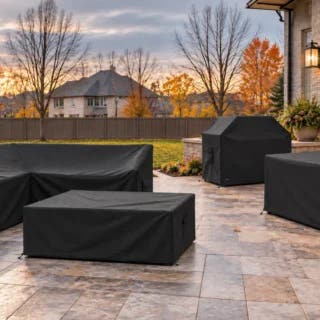
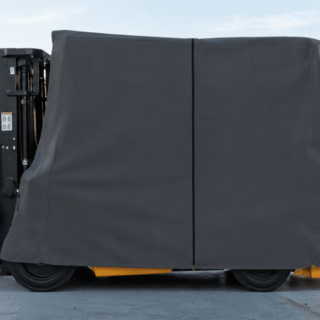
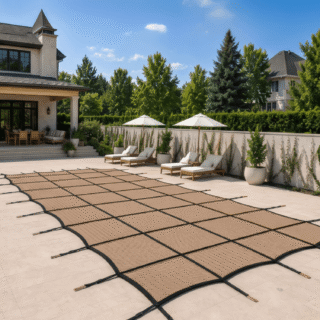
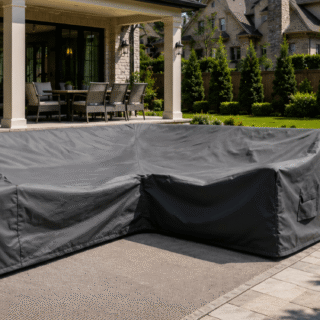
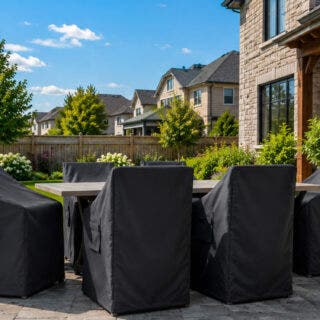

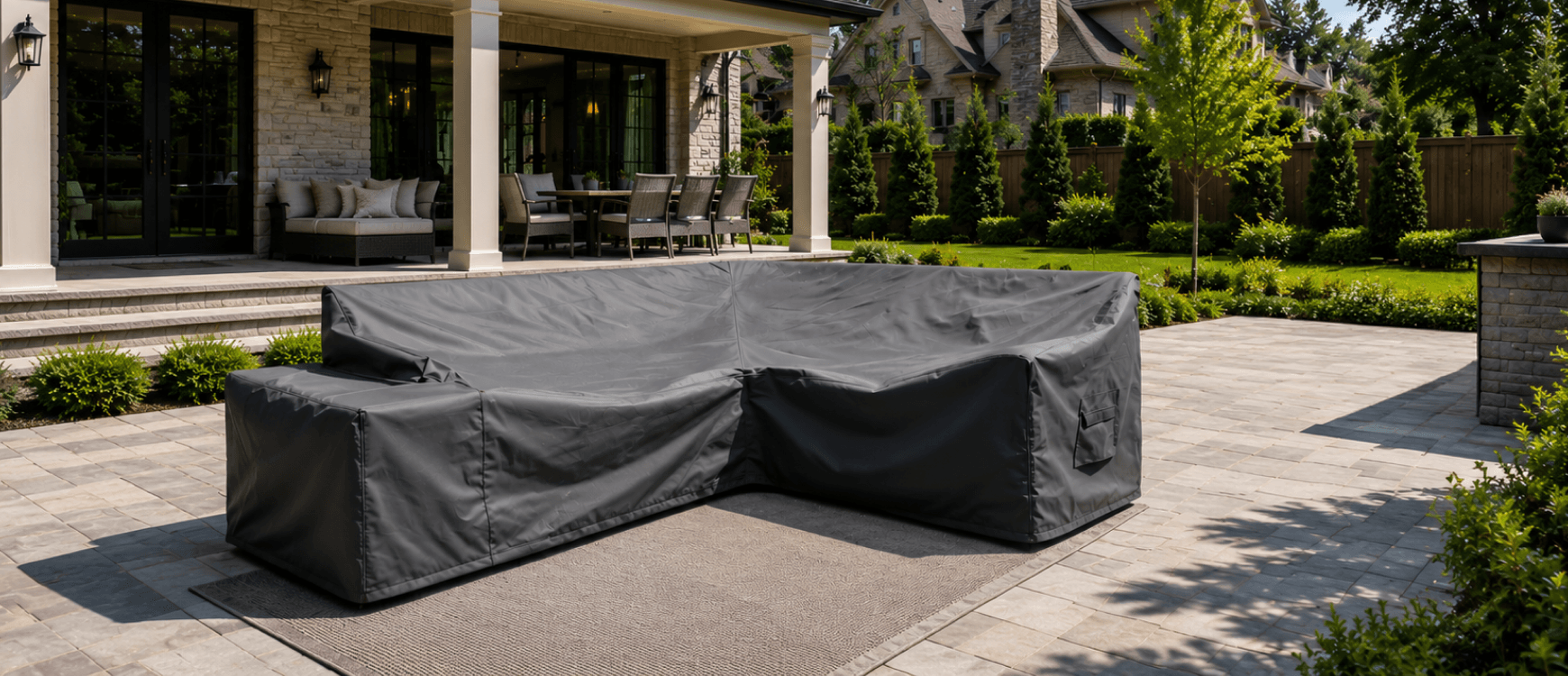
Your patio furniture, swing, fountain, and umbrella go through a lot — blazing sun, sudden downpours, dust storms, and freezing nights. The easiest way to protect that investment isn’t an expensive replacement plan; it’s choosing the right Outdoor Lifestyle Covers for each season. In this guide, we’ll walk through exactly how to pick covers that hold up year-round, no matter what the sky throws at you.
Why Seasonal Covers Matter More Than You Think
Most people buy one generic cover and expect it to do everything — block rain in monsoon, reflect heat in summer, and resist frost in winter.
Popular Products
That’s a lot to ask for one piece of fabric. Seasonal outdoor covers exist because no single material can handle scorching heat, sideways rain, and frost equally well — each is built for a different fight. Some people swap covers as the seasons turn; others opt for a single all-weather option and call it done. Either way, that one decision tends to be the biggest factor in whether your furniture lasts five years or fifteen years.
Think of it like clothing. You wouldn’t wear a raincoat in a heatwave or a t-shirt in a snowstorm. Your patio set deserves the same logic.
What to Look for in Patio Covers Every Season
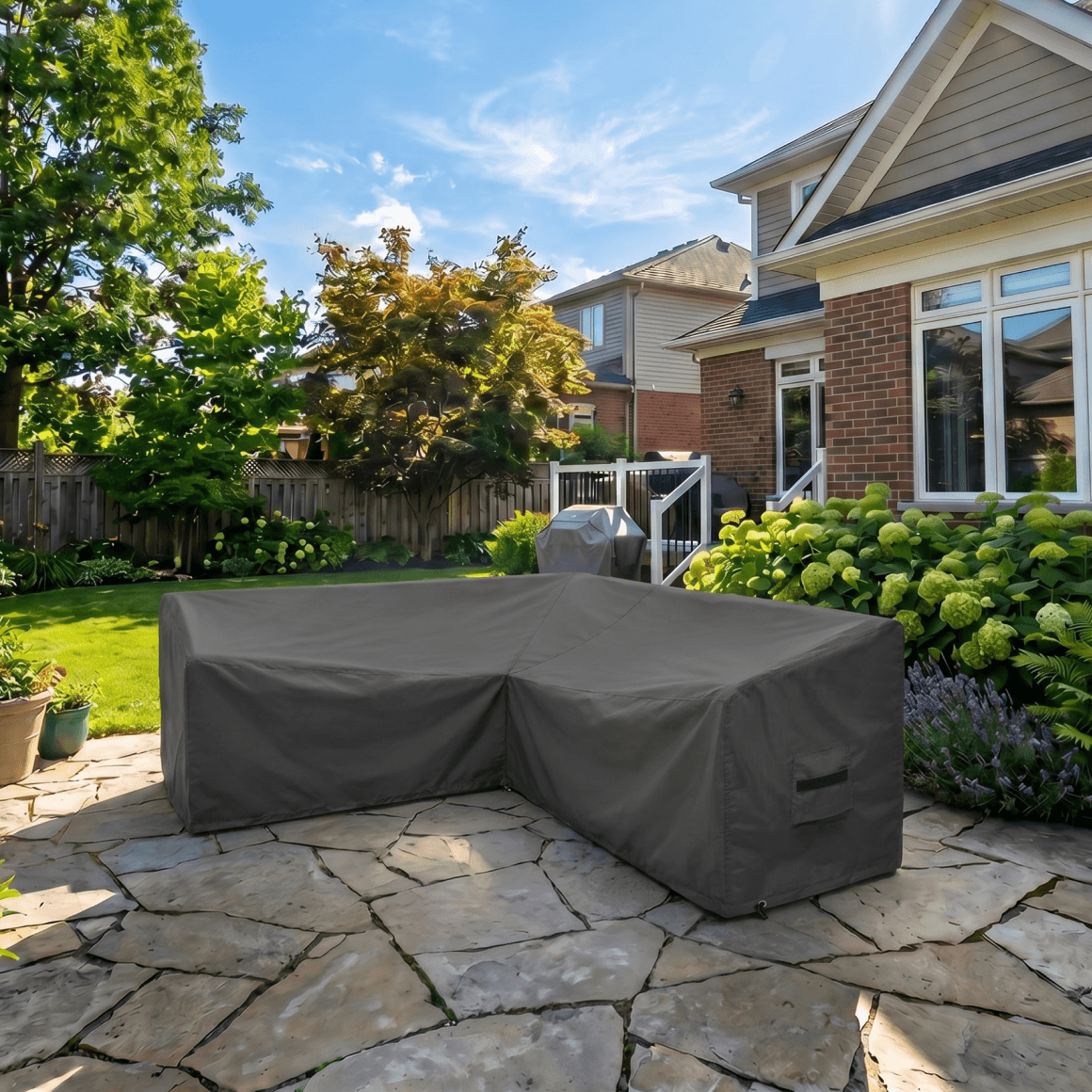
Before you buy anything, check for these four qualities. A good set of patio covers every season should tick all these boxes:
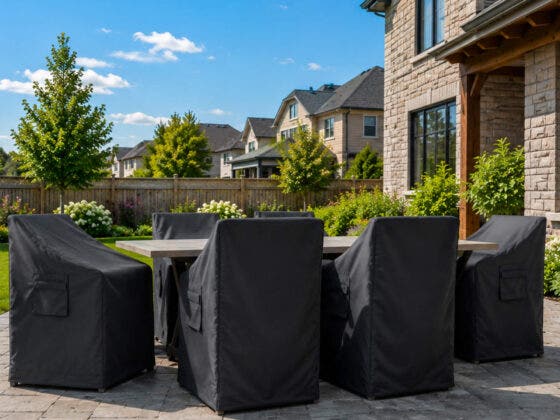
- Waterproofing — Check for sealed seams and a water-repellent outer shell, not just a “water-resistant” label on the tag. Waterproof outdoor covers for patio furniture keep moisture out of cushions and wood joints, and that’s exactly where rot and mold tend to take hold first.
- UV resistance — Constant sun bleaches fabric and makes plastic and wicker brittle faster than most people expect. UV-resistant outdoor lifestyle covers for harsh weather rely on UV-stabilized materials that deflect the sun’s rays while still letting heat escape instead of building up underneath.
- Breathability — A cover that seals too tightly traps condensation underneath, and that’s a fast track to mildew. Vents or breathable fabric panels solve this without sacrificing protection.
- Secure fit — Drawstrings, buckles, or elastic hems keep covers from flying off in wind gusts, which is a common complaint with cheaper covers.
Choosing Covers by Season
Spring: Rain and Pollen Protection
Spring brings unpredictable showers and a layer of pollen and debris on everything left outside. A lightweight, water-resistant cover that’s easy to remove and shake out works best here. You don’t need heavy insulation yet — just reliable moisture protection.
Summer: Heat and UV Defense
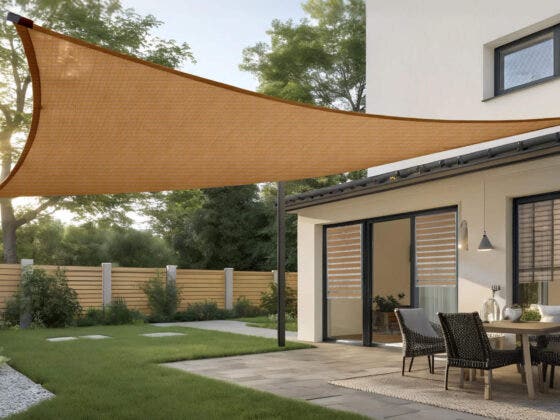
This is exactly where UV-resistant outdoor lifestyle covers for harsh weather prove their worth. Leave plastic furniture uncovered through one full summer and you’ll likely see cracking; fabric cushions can bleach out just as fast. If your setup gets hit with direct afternoon sun, look for covers with reflective or UV-treated coatings — it makes a real difference.
Monsoon and Rainy Season: Maximum Waterproofing
This is non-negotiable territory. Go for fully waterproof outdoor covers for patio furniture with taped seams and a slight overhang, so water doesn’t pool and seep in at the edges. If you live in a region with heavy seasonal rainfall, this is the cover you don’t want to compromise on.
Winter: All-Weather, Insulated Protection
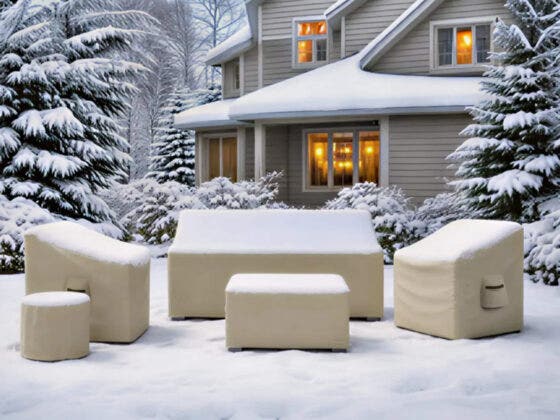
Cold, frost, and sometimes snow call for sturdier, often insulated covers. This is when truly all weather outdoor covers matter most — materials need to handle temperature swings without becoming brittle or stiff in the cold.
How to Protect Outdoor Furniture in All Seasons (Without Buying Four Different Covers)
If buying separate covers for every season feels like overkill, here’s a simpler approach for how to protect outdoor furniture year round with the right covers:
- Invest in one high-quality, all-weather cover rated for both UV and water resistance.
- Store covers indoors when not in use to extend their lifespan.
- Clean covers periodically — dust and grime can degrade waterproof coatings over time.
- Check fittings and straps each season to make sure they still hold tight in wind.
This single-cover strategy works well for most climates, especially if you choose a product specifically marketed as all-season or all-weather rated.
Don’t Forget the Rest of Your Outdoor Setup
Furniture isn’t the only thing exposed to the elements. A complete outdoor protection plan should also include:
- Umbrella Covers — to keep your patio umbrella’s fabric from fading or tearing when folded down.
- Swing Covers — outdoor swings have more moving parts and fabric, making them especially vulnerable to rust and mildew without a fitted cover.
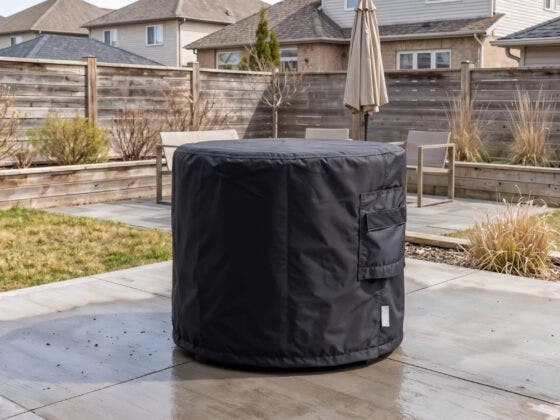
- Fountain Covers — protect stone, resin, or metal fountains from freezing water damage and debris buildup during off-season months.
- Canopy Covers — shield canopy frames and fabric from UV degradation and wind damage when not in active use.
Covering these pieces alongside your main furniture set rounds out a truly year-round outdoor protection routine.
Final Thoughts
Picking the right Outdoor Lifestyle Covers isn’t really about price tags — it’s about matching the cover to whatever your furniture is actually up against that season. Summer sun, monsoon downpours, winter frost, it doesn’t matter: the right patio covers every season, or one dependable set of all weather outdoor covers, will save you both money and hassle down the line, and your outdoor space will keep looking good no matter what the forecast throws at it.



Recent Comments